Recycling nutrients – good for the sea and food security
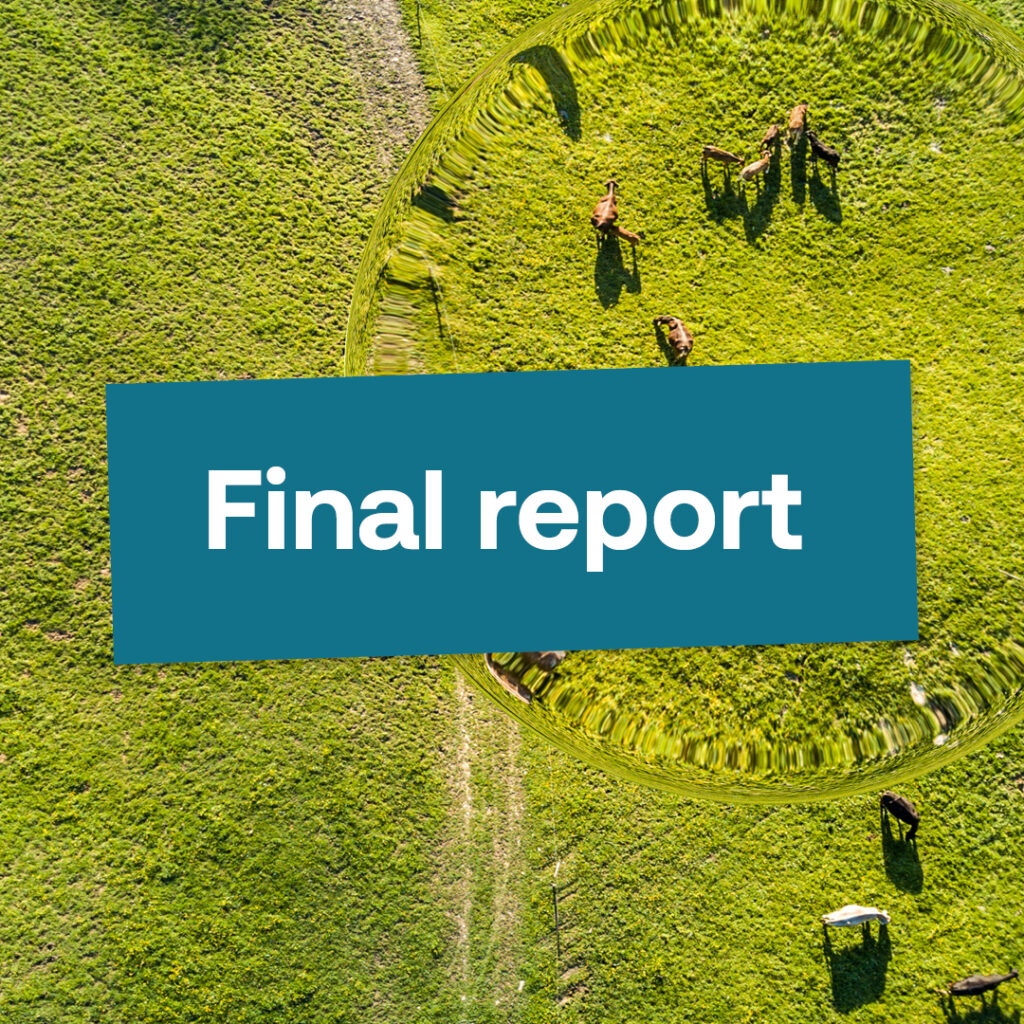
The results from BalticWaters’ five-year demonstration project show how nutrients can be recycled in agriculture. And there is considerable interest among Swedish farmers. Smarter use of nutrients strengthens Sweden’s food security and reduces the risk of new nutrients leaking into the Baltic Sea and exacerbating eutrophication. ‘Today, we are dependent on imported mineral fertilisers, while […]
Water – an important piece of the puzzle for BalticWaters’ new laboratory
The time has come – building inspection of BalticWaters Fish Laboratory. Electricians, HVAC technicians, and construction specialists are on site to ensure that the building meets the required standards. And it does. Although much feels complete, there is still one major, crucial step remaining before the laboratory can open its doors: water. It may sound […]
Enjoy the Baltic Sea this summer – with curiosity and consideration for the environment
Summer on the Baltic Sea coast attracts visitors with refreshing swims, boating, and archipelago adventures – but our beautiful inland sea is fragile. Human activities can have a negative impact on the aquatic environment, but the good news is that you can make a big difference with just a little effort. We have put together […]
Thriving bays will break the vicious cycle
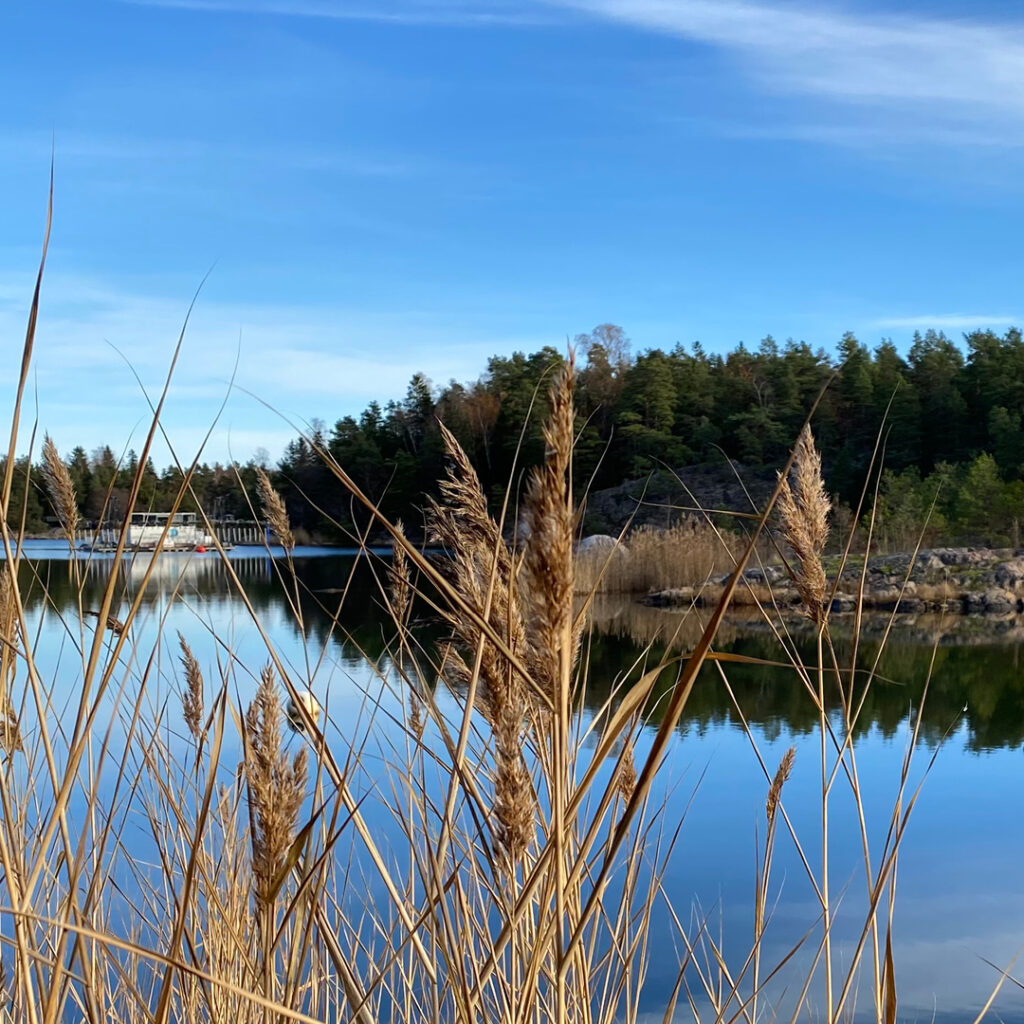
If you have read about eutrophication in the Baltic Sea, you will probably have come across the term internal load, usually followed by the expression ‘past sins’. This refers to nutrients, mainly phosphorus, that have been added to the sea over time and accumulated in the sediments. In the bottom sediments, the nutrients do not […]
First fish tanks in place at BalticWaters’ new laboratory
Drawings and sketches have suddenly become reality as new walls appear and the first tanks for keeping fish are put in place. And everything is so big! ‘The opportunities for new and exciting research on some of the Baltic Sea’s most important fish species will be endless at the new laboratory,’ says Konrad Stralka, CEO […]
Coincidence led to passion for Baltic cod
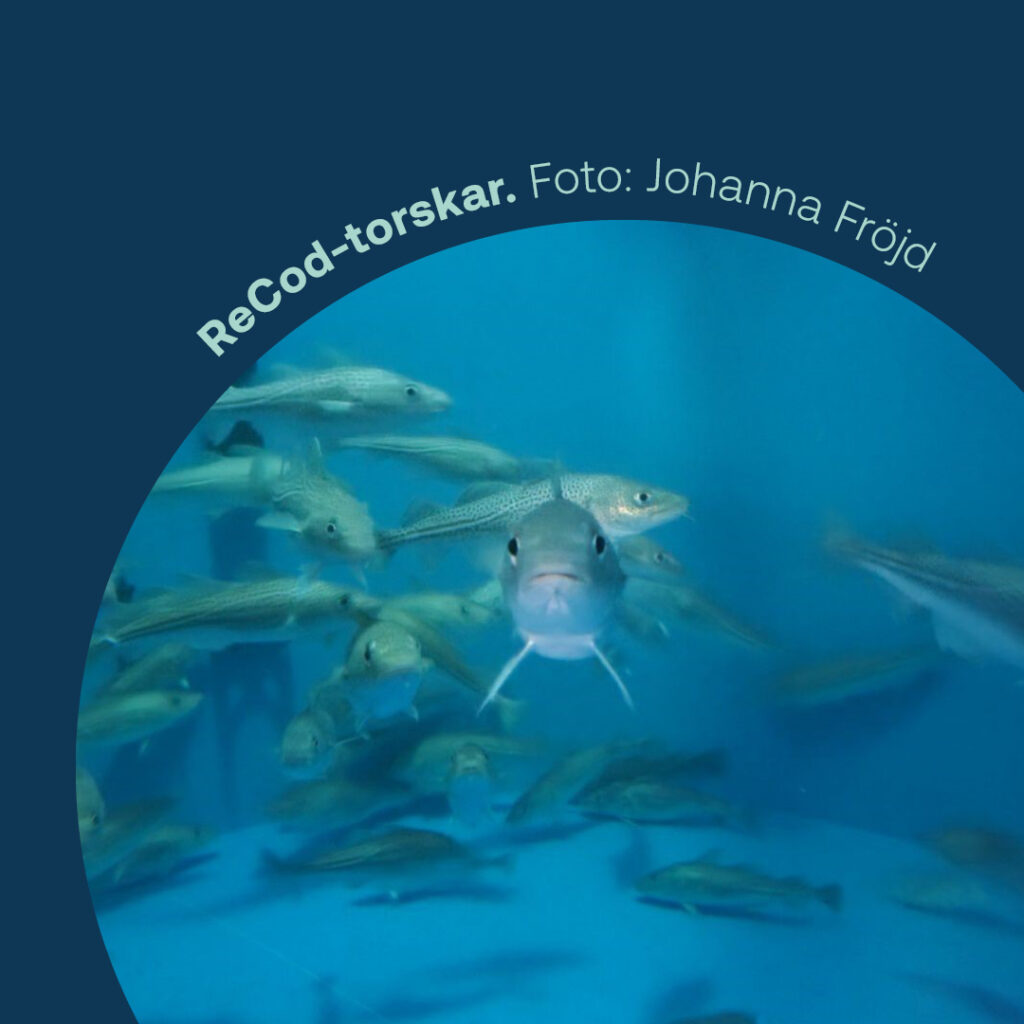
If you’ve been following the project ReCod – release of small cod in the Baltic Sea, you know who Johanna Fröjd is – the foundation’s very own cod mum. After almost four years in the project, it’s time for new adventures. Or perhaps more like semi-new adventures. Johanna has started a PhD position at Stockholm […]
Ylva Berg Axell becomes new chairman of BalticWaters
Ylva Berg Axell has been appointed as the new Chair of BalticWaters. She was elected by a unanimous Board on 14 March 2025 and succeeds Otto von Arnold, who has been Chair of the foundation since its work began in 2020. ‘It is a great honour to contribute to BalticWaters’ important work. Being able to […]
New scientific paper: sheltered bays are significant sinks for carbon and nutrients
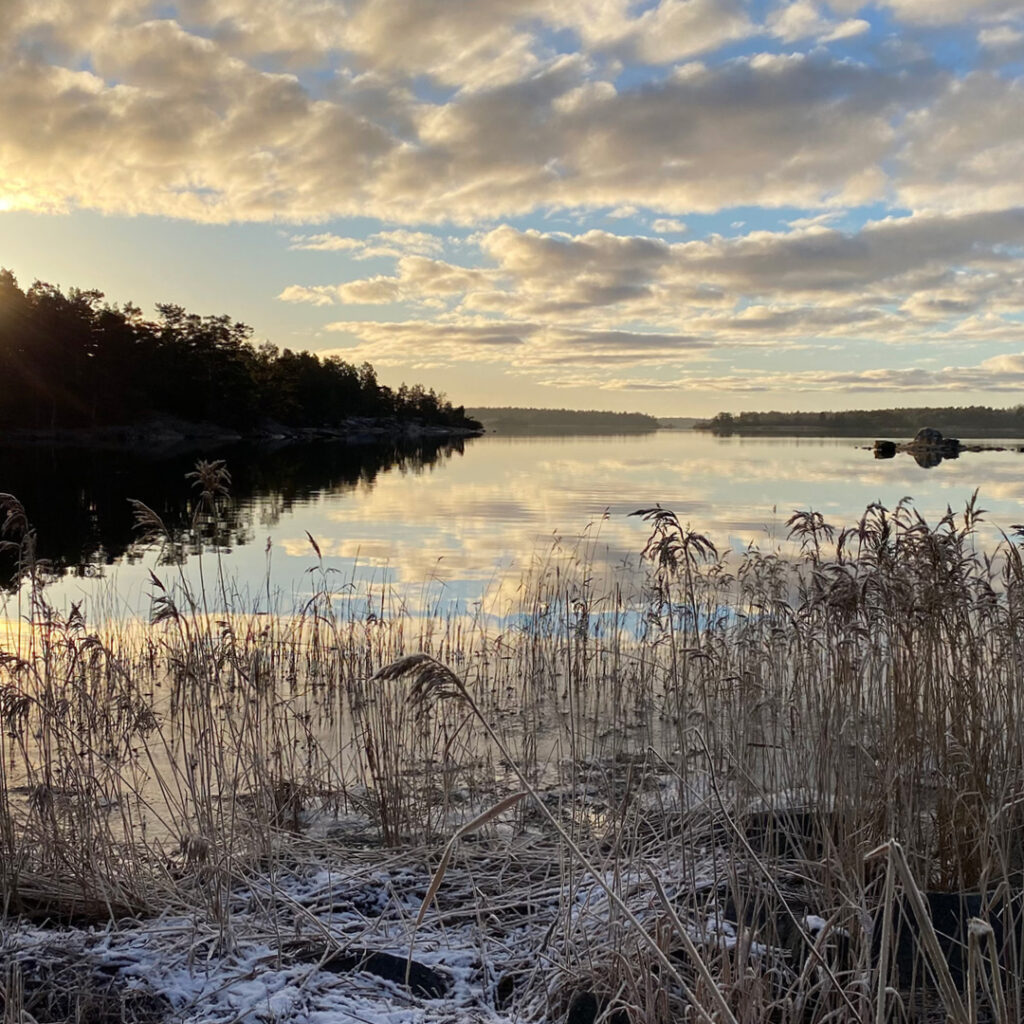
Seagrass beds, mangrove forests and other coastal ecosystems have long been recognised as important natural carbon sinks. A global estimate shows that half of all carbon sequestered in the seabed is found in coastal ecosystems such as mangrove forests and seagrass beds, even though they make up only a few per cent of the ocean’s […]
Other countries have successfully rebuilt depleted fish stocks. Why can’t we?
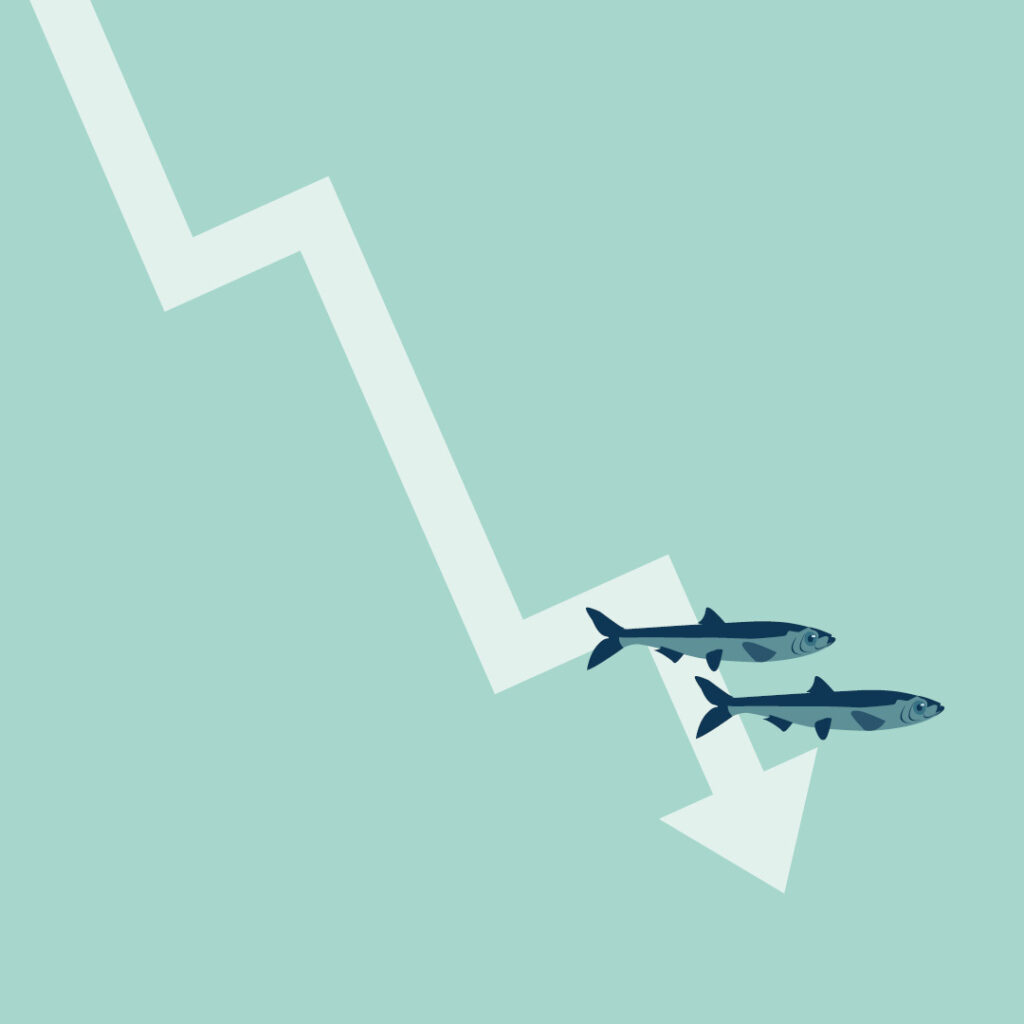
Things look bleak for fish in the Baltic Sea, but international examples show that it is possible to reverse the trend. This would not only be good for the Baltic Sea, but would also contribute to Sweden’s national treasury and food security already in ten years.
Can wounds from dredging be healed?
Sky-high phosphorus levels have been measured in the bay Högklykeviken on Gräsö outside Öregrund. In other words, it is a bay that is heavily eutrophic. However, this has not always been the case. Högklykeviken was once a spawning ground for many species of fish, with clear water and bottoms covered in dark red and bright […]