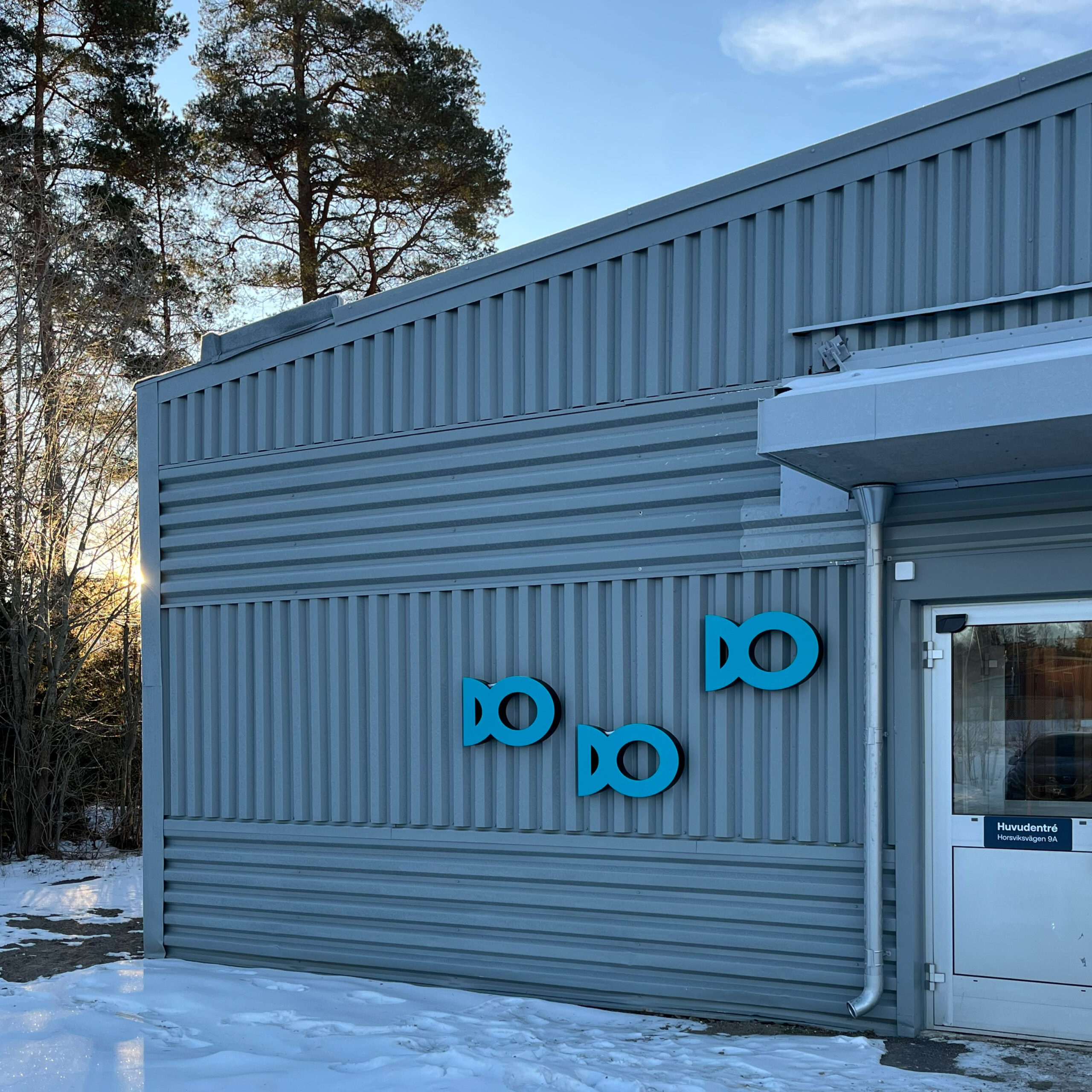
The dust has settled, the machinery has fallen silent, and the tanks are ready. After an intensive period of planning, renovation and technical installations, BalticWaters Fish Laboratory is now largely complete. We have summarised the journey from the start of construction to where we are today – a research‑ready environment.
Turning the idea of a fish laboratory into reality has been an extensive undertaking, something Konrad Stralka, CEO of BalticWaters, can attest to.
– When I look back on the process, I’m struck by how quickly everything has moved – from idea to design, procurement and implementation. Every step, from the very first sketches to the foundations and the installation of advanced technology, has been crucial to the result we see today, says Konrad.
The existing building on the site has been completely refurbished to meet the laboratory’s needs. Alongside it, a new building has taken shape – resembling a giant refrigerator designed to maintain cooler temperatures for cold‑water fish.
Floor plans have been revised time and again to create smart and efficient workflows that accommodate tank halls, laboratory spaces and offices.
– It’s a very special building that has emerged. Now it’s my task, together with Nathalie and Teddy, to make sure everything works as it should,” says Mats Anderling, Operations Manager at the laboratory.
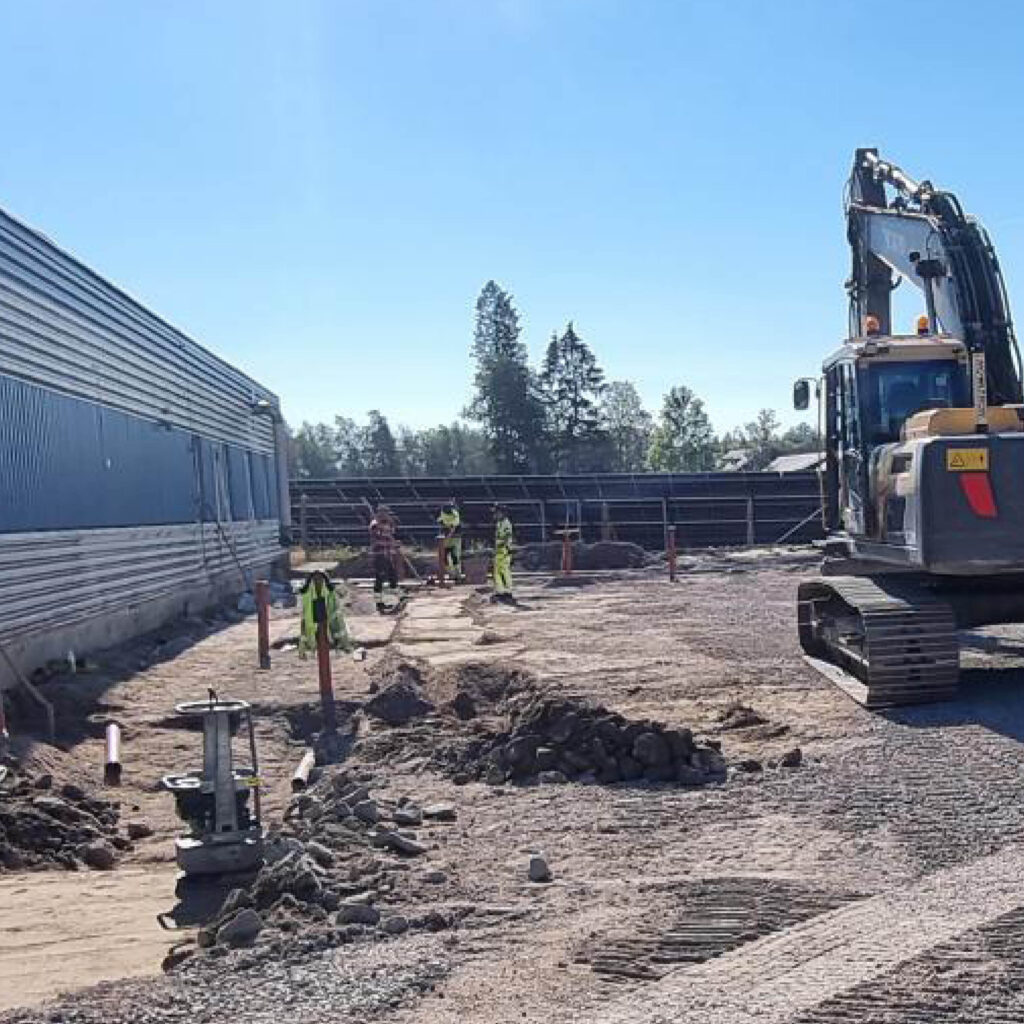
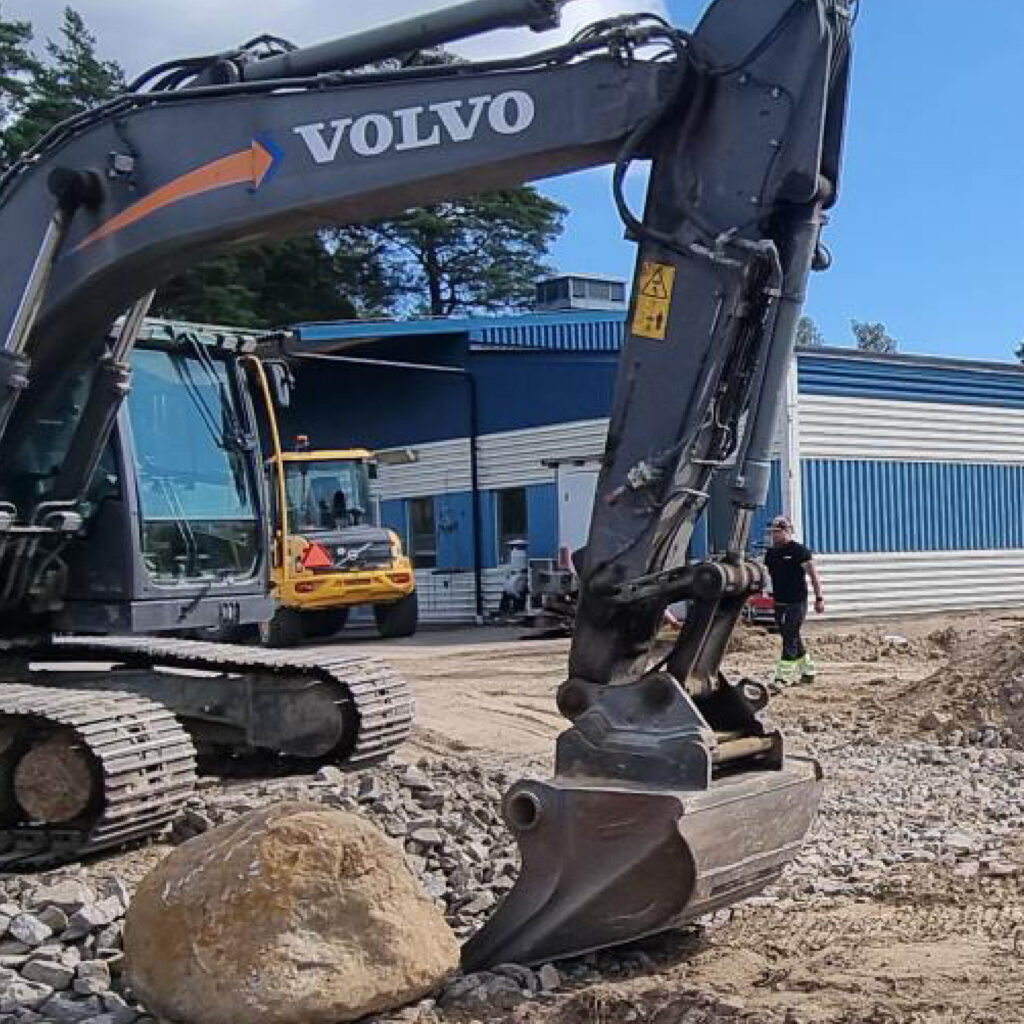
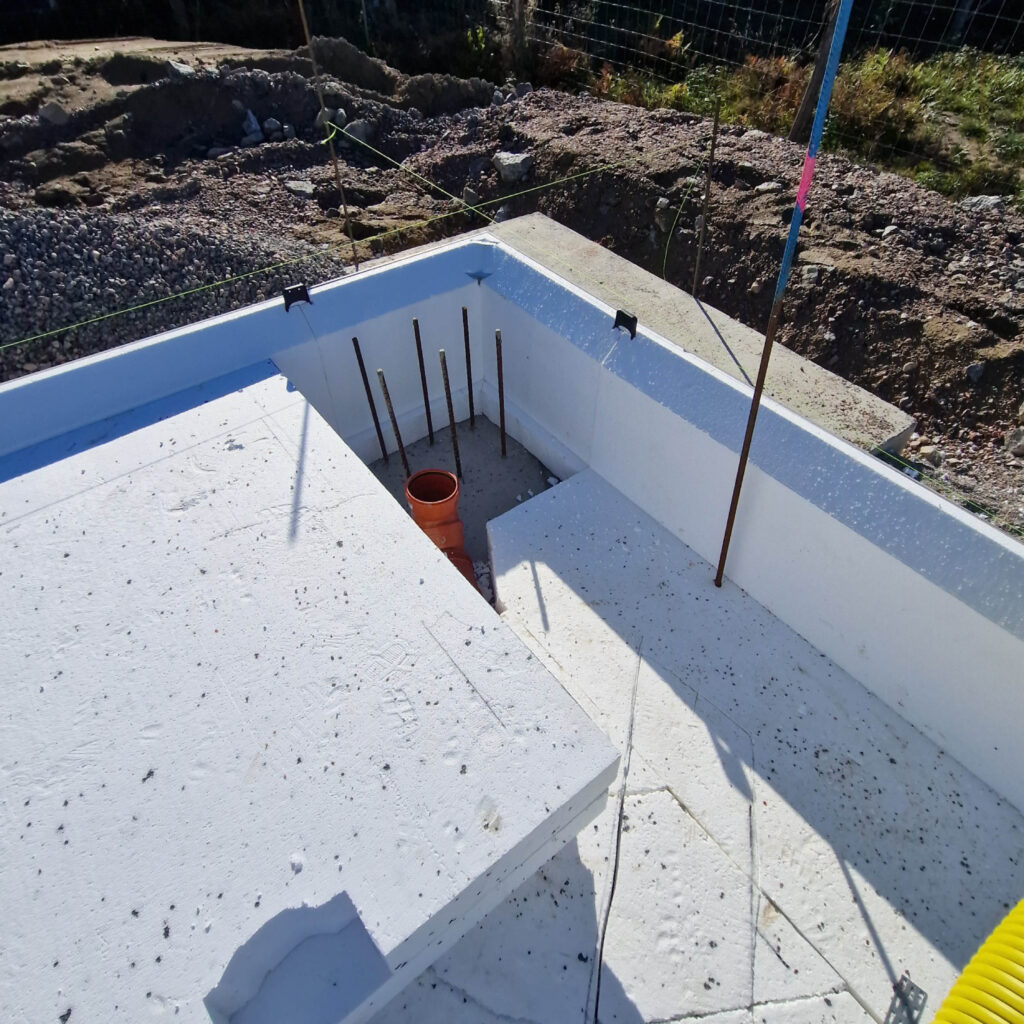
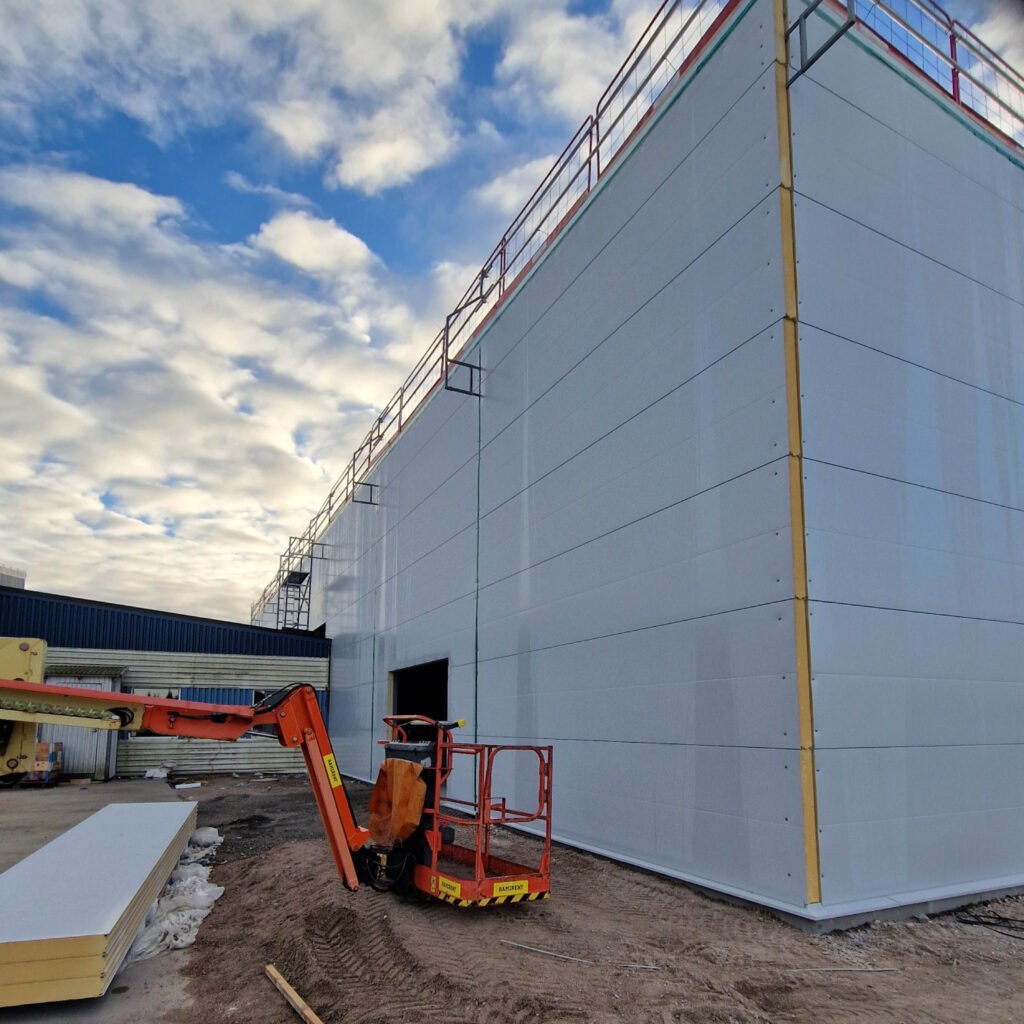
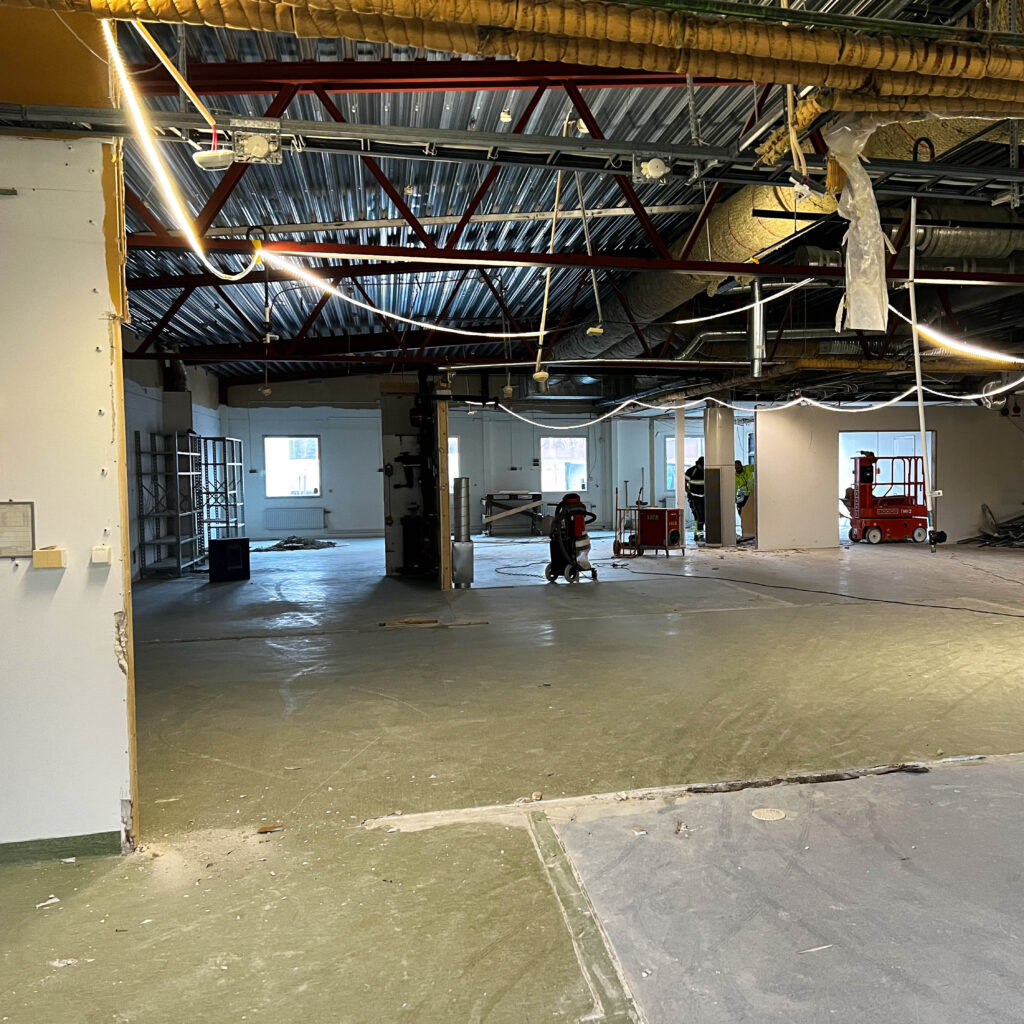
The first groundbreaking took place in autumn 2024. Since then, work has progressed steadily. In addition to construction work and technical installations, establishing the laboratory has involved close cooperation with authorities to secure the necessary permits.
But what is a fish research laboratory without water? An optimal water environment is essential for both the fish and the research that will be carried out at the facility. That is why process engineers from MAT‑Global have been on site to install the heart of the building – the water treatment plants, known as Recirculating Aquatic Systems (RAS).
– In principle, the installation procedure for water treatment systems is always the same, but in the case of BalticWaters we have many separate systems, which has taken time to commission, says Vít Wolf Profant from MAT.
And Vít is absolutely right – there are many treatment systems. They also vary in size, adapted to the dimensions of the tanks and the volumes of water that need to be treated.
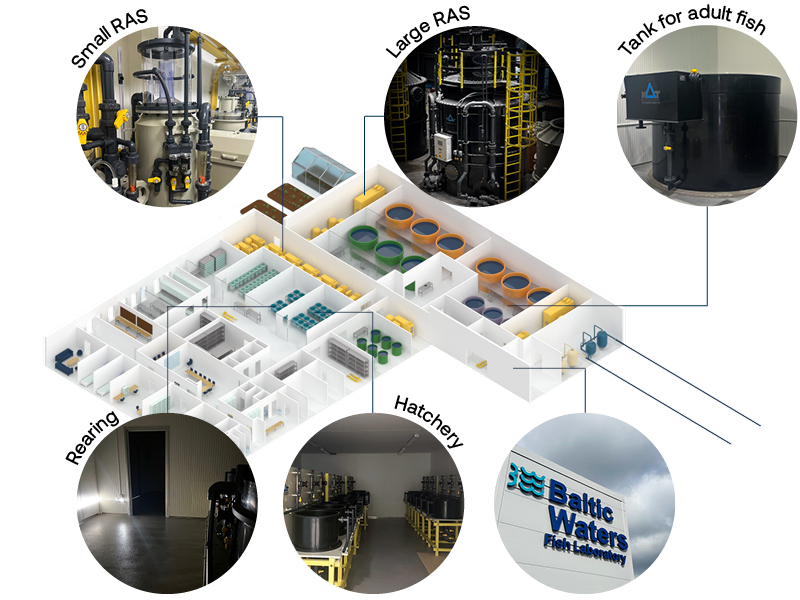
An overview of the different parts of the laboratory.
Very soon, the laboratory’s first two projects – BalticWaters’ own project ReCod and Uppsala University’s project CLUPEA – will be able to fully get underway. Preparations for ReCod are in full swing, and project manager Vincent Néron can hardly contain his excitement. Everything at the laboratory is new – new tanks and new water treatment systems – making the project start‑up even more exciting.
The arrival of the fish is now drawing closer, and everyone is doing what’s needed to finalise the last details, Vincent included.
– I’m proud to lead ReCod, and my focus now is on creating the right conditions for the project to grow, while openly sharing our progress along the way, he says.
It has truly been a journey – from idea and first groundbreaking to where the laboratory stands today. The dust from the construction may have settled, but this is only the beginning. The laboratory marks the starting point of something bigger, and BalticWaters’ work continues – because the sea must live.
We would like to thank all the actors who, in one way or another, have contributed to the establishment of the BalticWaters Fish Laboratory!