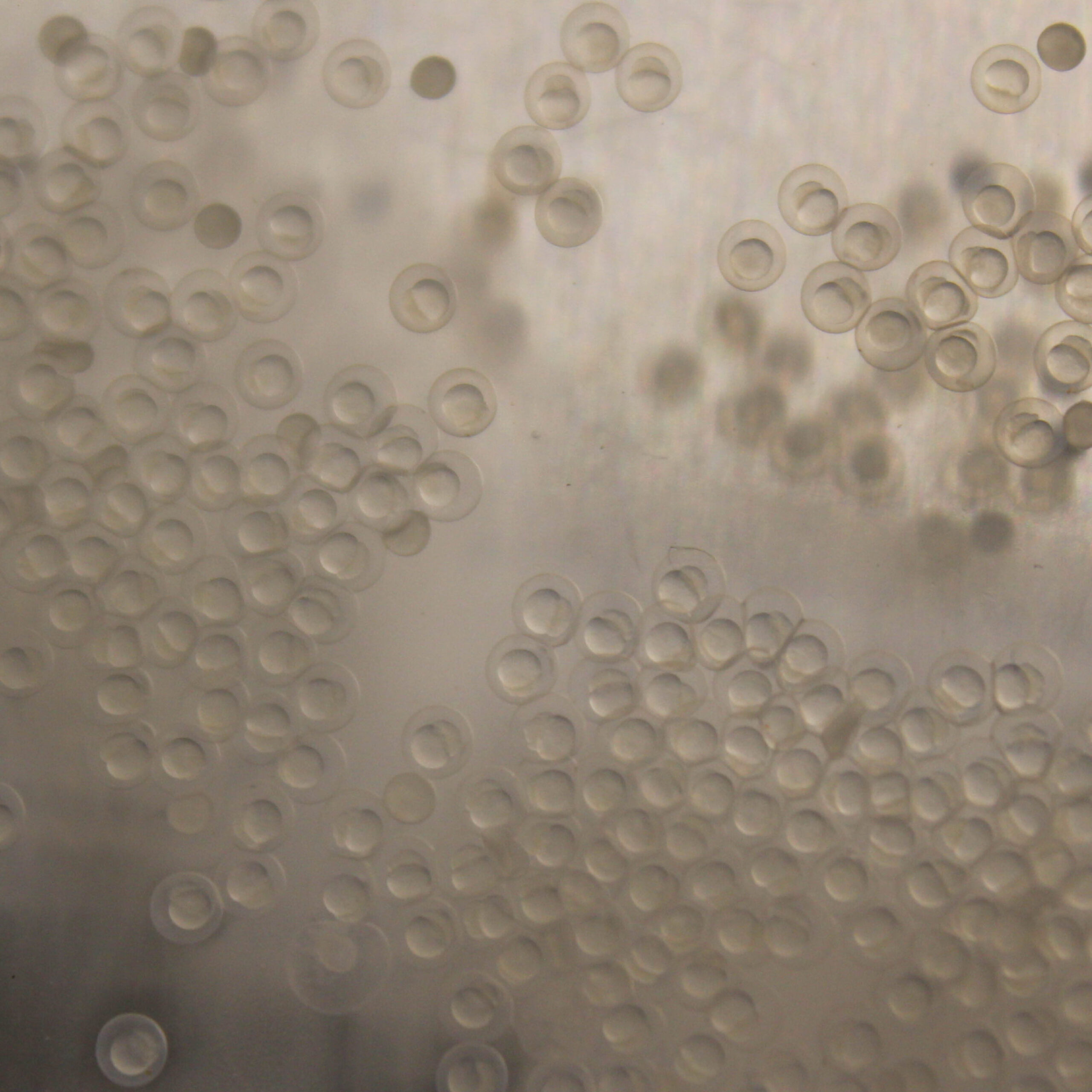
The fertilised herring eggs are small and fragile as they rest in the laboratory’s incubator, waiting for the right moment to hatch. How they ended up there is something of a remarkable story. The researchers involved in the CLUPEA project are themselves excited and proud of what has just taken place. Carrying out in vitro fertilisation in herring is not something that happens every day.
History is already being made at BalticWaters Fish Laboratory, where researchers from Uppsala University are systematically working with herring that have travelled all the way from the Atlantic. At present, the focus is on determining whether in vitro fertilisation functions as a reliable laboratory method, so that the researchers are fully prepared when the Baltic herring’s spawning season begins. The ability to sample fertilised eggs and newly hatched larvae is a central part of the CLUPEA project’s genetic mapping efforts.
Herring are a pelagic fish species, meaning they live and move through the open water column for most of their lives. Only when it is time to spawn do they migrate to the seabed, where they deposit their sticky eggs on various types of substrate, such as seaweed, sand or stone. In the laboratory, however, the situation looks very different.
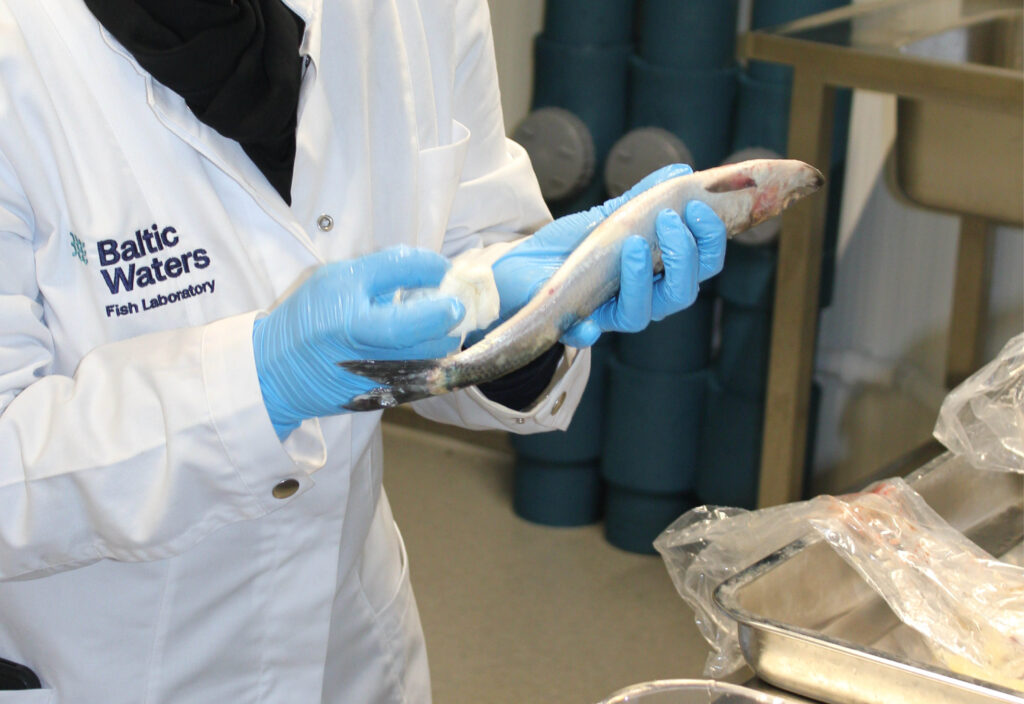
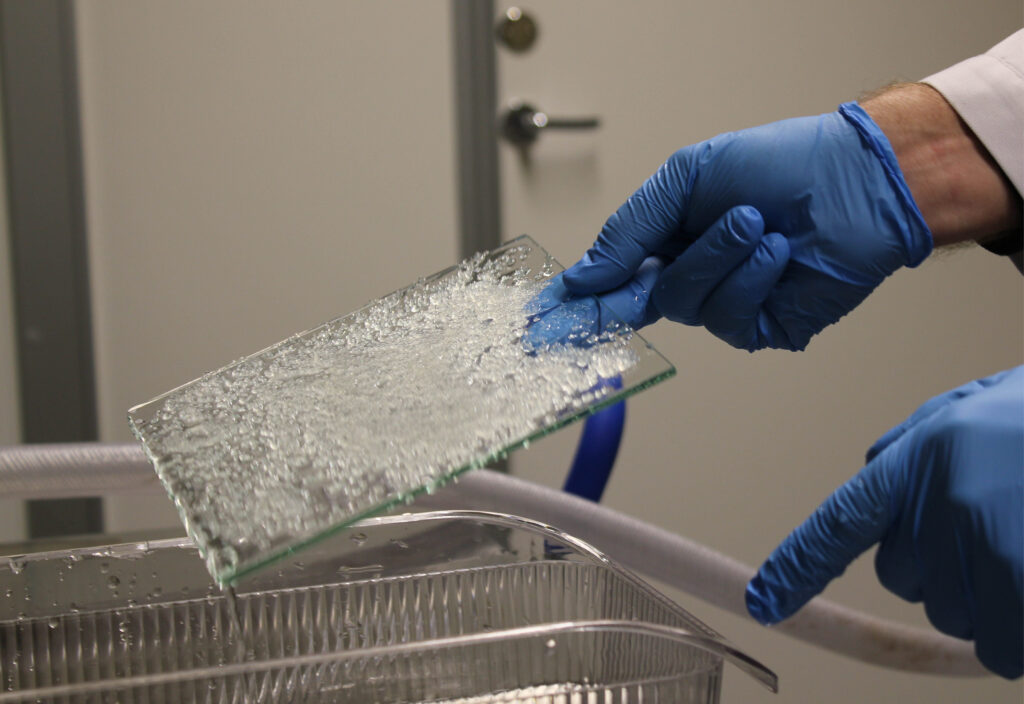
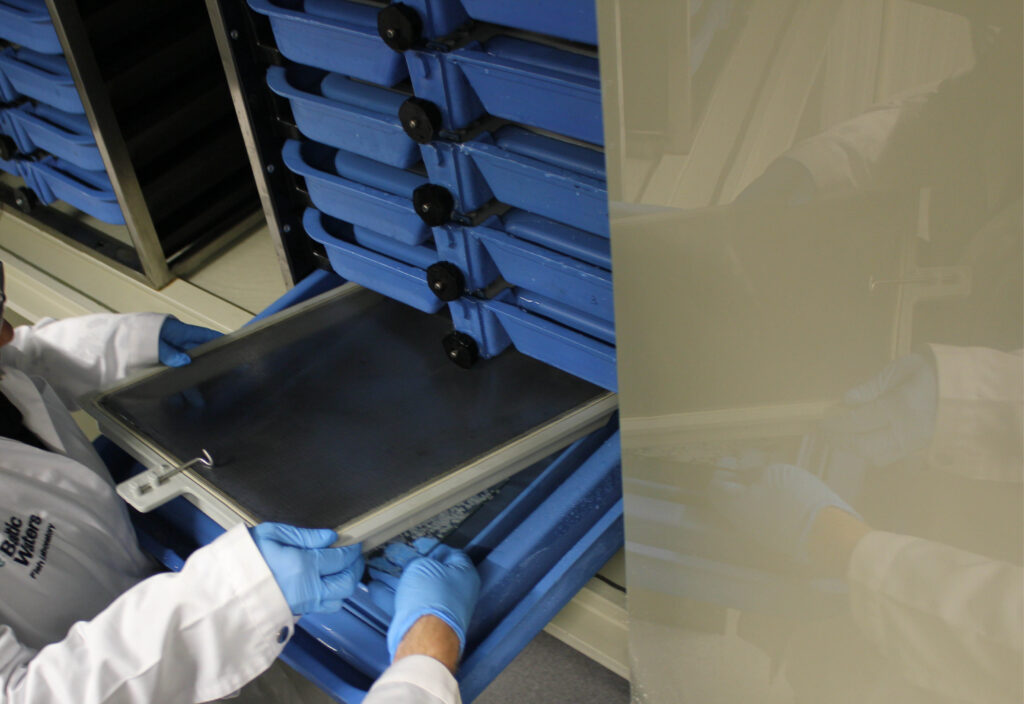
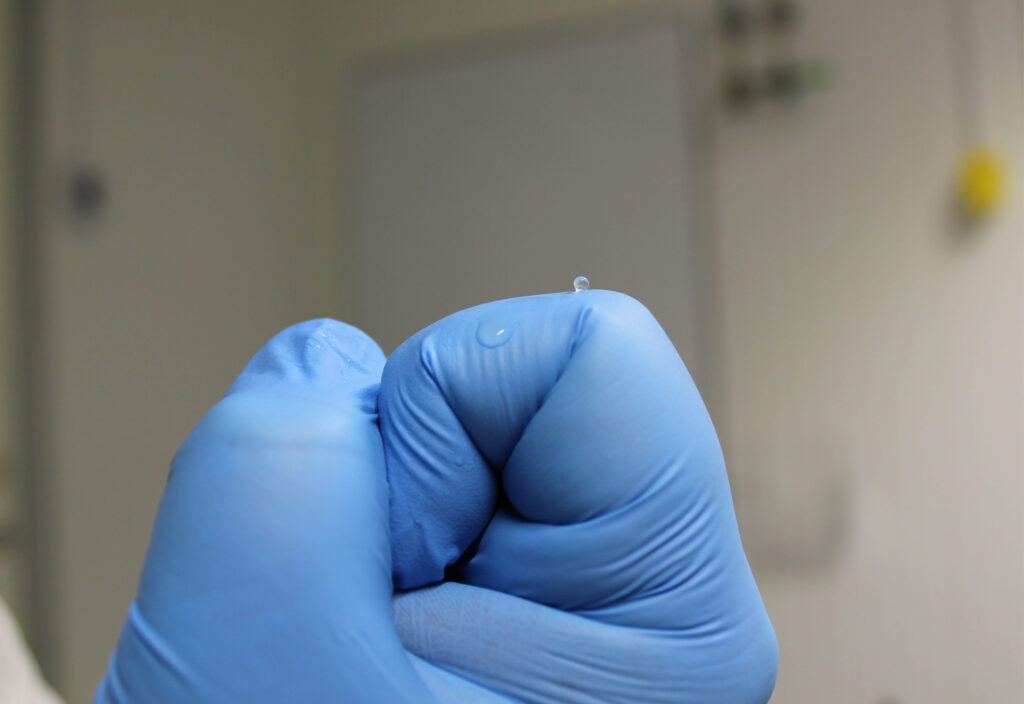
Put simply, the researchers extract eggs from the females and place them on glass plates in separate containers, one per female. Sperm from several males is then added to the containers holding the eggs. For fertilisation to succeed, very precise conditions are required, where both water temperature and salinity are crucial.
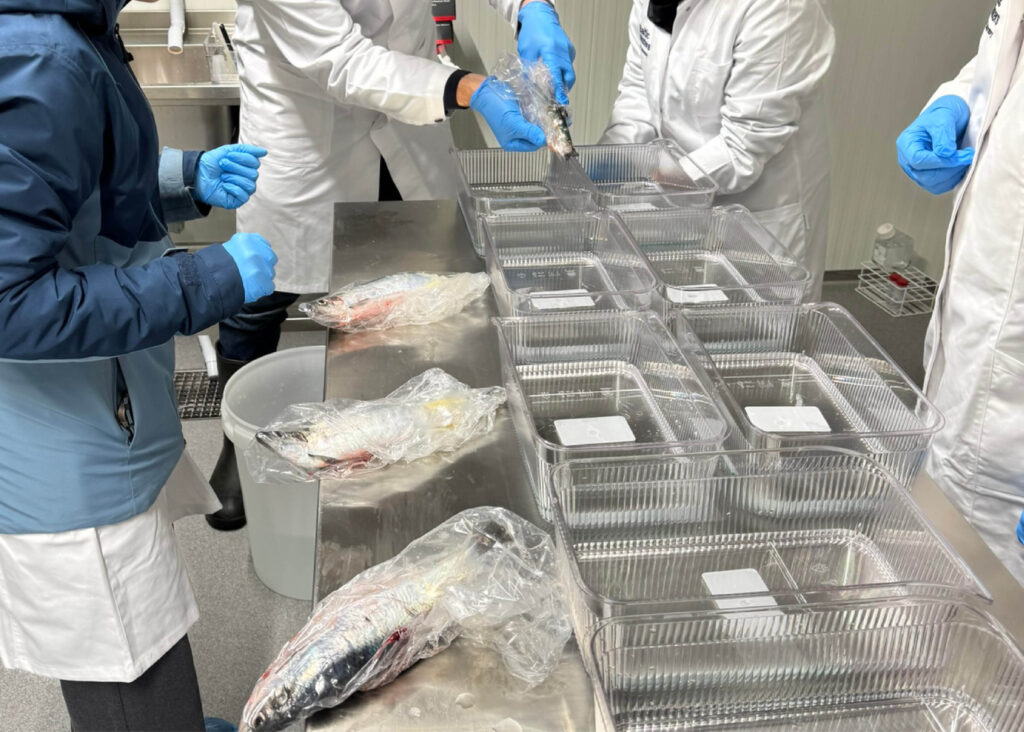
After a short period of time, the researchers lift the glass plates with the sticky eggs and place them into different compartments of the incubator, which continuously supplies the eggs with fresh, circulating water.
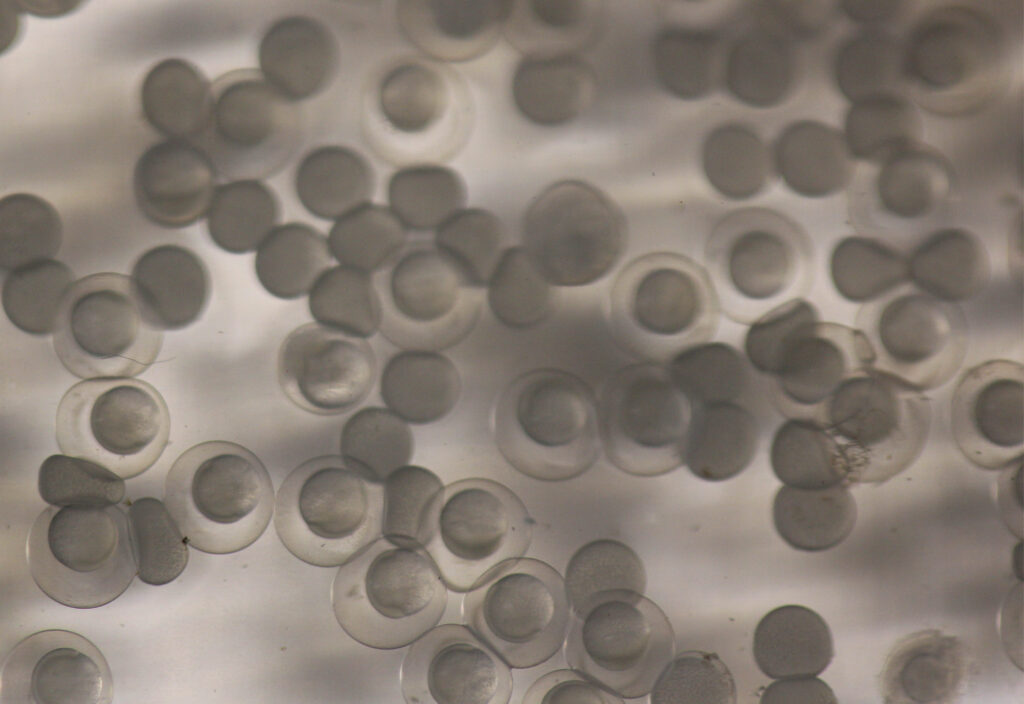
Already after twelve hours, the researchers can begin to observe promising results.
– Among the females whose eggs we fertilised, the fertilisation rate varied. In some containers it was as high as 90–98 percent, in another 60–70 percent, and in a third only 10–20 percent. This likely depends on whether the female was fully mature and how well the eggs managed the transport from the capture site to the laboratory, says Leif Andersson, geneticist at Uppsala University.
The researchers are now eagerly awaiting the hatching of the eggs, which they hope will occur approximately 14 days after fertilisation. After that, the next critical phase begins: getting the larvae to start feeding and growing.
But why are researchers carrying out in vitro fertilisation on herring, and what is the ultimate goal? The ability to sample embryos and newly hatched larvae is part of the CLUPEA research project’s ambition: to map the herring’s genes and thereby gain a better understanding of how herring have adapted to the Baltic Sea’s unique environment. By studying the herring’s genetic adaptation, the researchers hope to contribute insights that are important for conserving the species and its ecosystems well into the future.
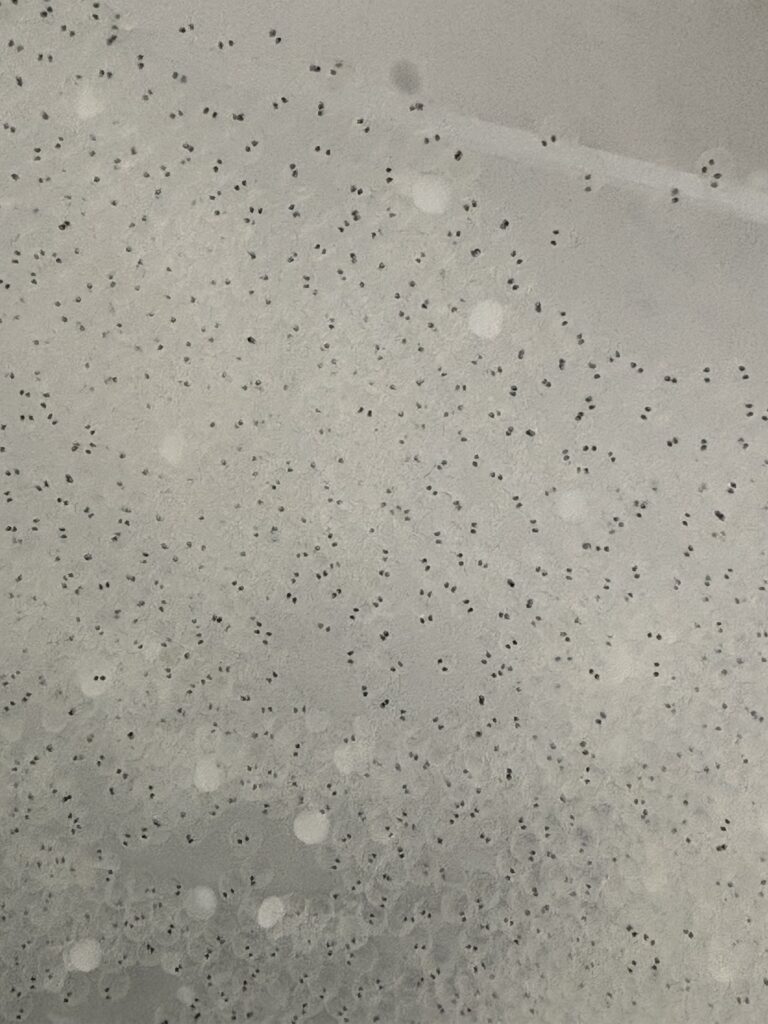
The image shows fertilised and developed herring eggs that are approaching hatching. The black dots are the eyes of the herring embryos.
Photo: Hiba Jasmin, CLUPEA research assistant

The CLUPEA project – Unravelling Molecular Mechanisms Behind Adaptation to Environmental Heterogeneity and Change – runs for five years starting in 2025 and is funded by the Knut and Alice Wallenberg Foundation. BalticWaters Fish Laboratory will serve as a central resource for the project.